www.prime-property-thailand.com is pleased to feature a guest blog post by www.southeastasiasimplified.com
Byline by Sulabh Sharma, writing on behalf of a platform know for 'not simply to recommend places, but to help travelers understand how decisions shape the experience itself'.
Bangkok Riverside vs Sukhumvit vs Silom: Which Area Is Actually Right for Your Trip?
The best area to stay in Bangkok depends less on the hotel category and more on how you plan to get around the city.
Riverside suits slower, hotel-centered stays where the property is a meaningful part of the experience. Sukhumvit suits high-movement itineraries built around BTS access. Silom suits travelers who want the most balanced logistics across modern and historic Bangkok. None is universally better. The right choice follows from how your days are actually structured once you are on the ground.
Central does not mean correct. Most travelers default to Sukhumvit because it is the most visible option. That logic is incomplete. Bangkok's three most discussed stay zones suit fundamentally different trips, and choosing the wrong one adds low-level friction every single day: extra transfers, wrong-side-of-the-city mornings, hotel environments that do not match how you actually travel.
Mistakes to avoid:
Booking Riverside when your itinerary requires daily movement across the city
Staying in lower Sukhumvit when what you actually want is quiet
Dismissing Silom because of Patpong (one street does not define the area)
Treating Sukhumvit as a single neighborhood when it spans 20 kilometers of contrasting zones
Each Area, Examined

Riverside (Charoen Krung / Charoenkrung)
The Riverside corridor runs along the Chao Phraya River through the Charoen Krung district. This is Bangkok's oldest commercial street, now home to the city's most decorated luxury properties. The Four Seasons, Capella, and Mandarin Oriental all occupy this stretch. Two of the three hold positions in the World's 50 Best Hotels rankings. That concentration is not accidental.
The real appeal here is the setting. Properties on this corridor are designed to be destinations, not just accommodation. Dining programs are serious. River views carry a genuine atmosphere. The pace is slower than anything Sukhumvit offers. For travelers arriving from elsewhere in Thailand on a full itinerary, the Riverside serves as a calibrated landing point.
The trade-off is access. The BTS reaches Saphan Taksin station, but most Riverside hotels require an additional boat shuttle or road transfer from there. During peak traffic hours, crossings into central Bangkok can add significant time, especially in the evening. Late evenings require planning. Hotel shuttles typically stop around 22:00. After that, a road transfer is the only option.
For a detailed assessment of how this trade-off plays out at a specific property, the Four Seasons Bangkok at Chao Phraya River review directly addresses the question of access. For a contrasting take on what maximum Riverside privacy looks like, The Siam in Dusit offers a fundamentally different model: farther from the city, with a smaller inventory, and a property that genuinely functions as a private residence.
The honest summary: Riverside works best when the property itself is part of what drew you to Bangkok. It does not work well as a logistics base for a high-movement itinerary.
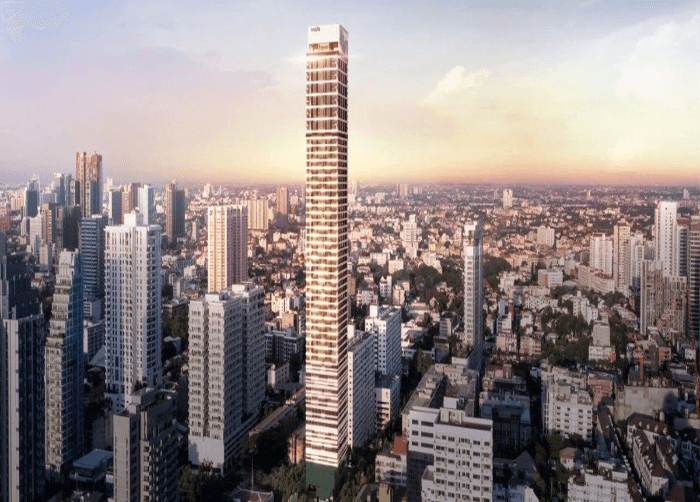
Sukhumvit
Sukhumvit is a 30-kilometer road. When travelers say they are "staying in Sukhumvit," they are usually referring to the central section between roughly Nana (Soi 3–11) and Thonglor (Soi 55), with the BTS running overhead the entire length.
The real appeal is mobility. The BTS connects to virtually every part of central Bangkok. International restaurants, street food, shopping malls, pharmacies, coworking spaces, gyms: all within reach without a taxi. For first-time visitors or those running a dense itinerary over multiple days, this removes a decision category every morning.
The friction is density and noise. Lower Sukhumvit (Nana to Asok, roughly Soi 3 to Soi 21) operates at high intensity around the clock. Nightlife spills into side streets. Mid-range hotels sit adjacent to the full range of Bangkok activity, which is not peaceful. Upper Sukhumvit (Phrom Phong, Thonglor, Ekkamai) is a different environment entirely: quieter, more residential, with better restaurants, but with the trade-off of a slightly longer BTS journey to the old city.
Treating Sukhumvit as a single zone is one of the most persistent planning errors. A traveler who books near Asok for the transit access and then complains about the noise has misread the map. The sub-zones matter:
Nana to Asok (Soi 3–21): Maximum connectivity, maximum stimulation. Suited for travelers who want everything accessible and do not mind the environment that comes with that.
Phrom Phong (Soi 39–55): Quieter, more residential stretch. EmQuartier and Emporium malls are nearby. Better balance of access and calm.
Thonglor to Ekkamai (Soi 55–63): Bangkok's most fashionable sub-zone. Excellent dining and nightlife. Slightly longer BTS journey to the old city. Suited for travelers prioritizing the social environment over temple proximity.
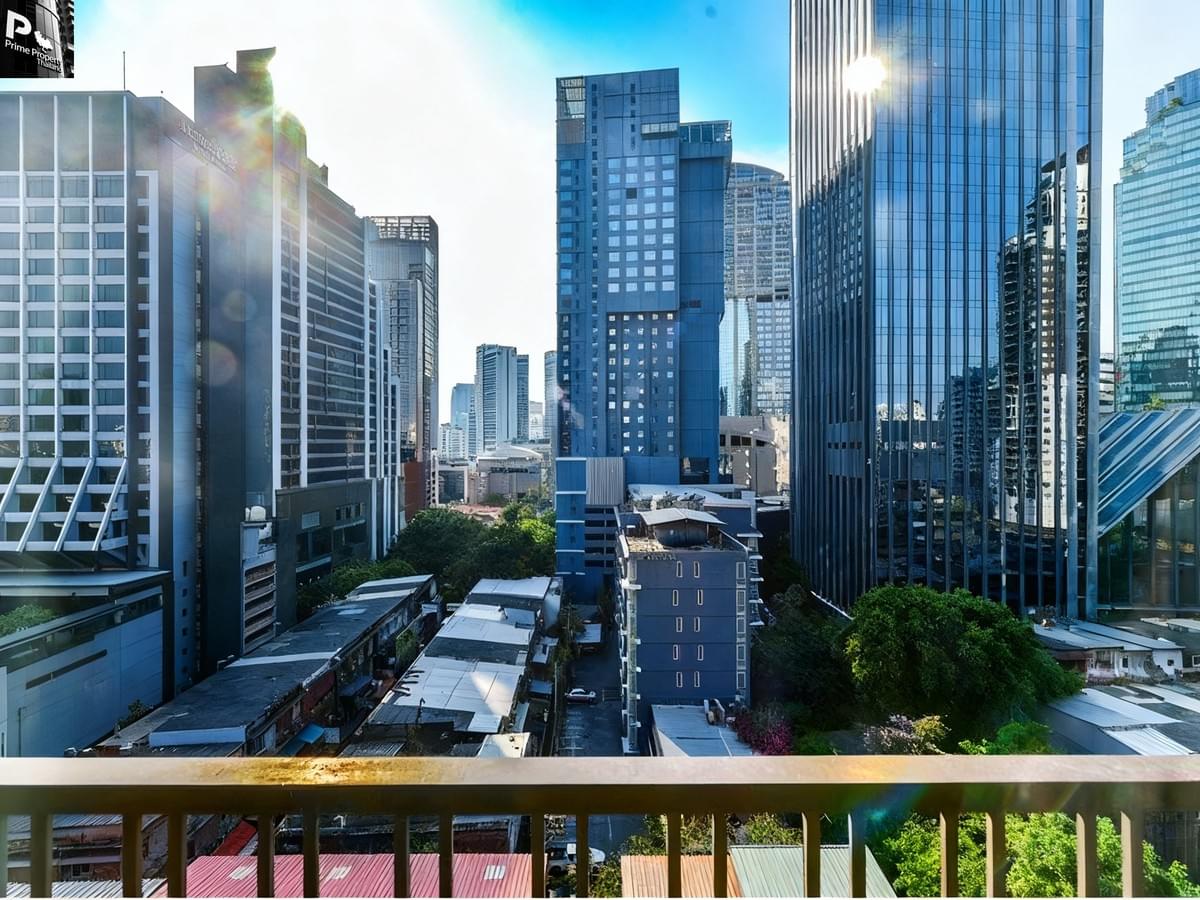
Silom
Silom functions as Bangkok's central business district during the day. Office towers, corporate headquarters, and international hotels occupy the main road and its parallel street, Sathorn. After dark, two distinct versions of Silom emerge: Patpong, a commercial entertainment strip and night market that trades in the red-light tourism economy, and Silom Soi 4, the city's main LGBTQ+ social street, which operates quite differently.
The real appeal of Silom is its transport position. Both BTS (Sala Daeng) and MRT (Si Lom) stations serve the area. That dual rail access is genuinely useful. Lumpini Park sits adjacent. Chinatown and the Grand Palace are accessible without having to cross the entire city. For travelers combining temple visits with business meetings or building an itinerary that spans Bangkok's different zones, Silom is the most logistically efficient of the three options.
The friction is the atmosphere, or the relative lack of it. The daytime character is a neutral business district. Silom does not have the setting of Riverside or the social energy of upper Sukhumvit. It is a functional base, not an experiential one.
Silom is also consistently underestimated. Many travelers read its associations with Patpong and conclude that the whole area is unsuitable. Patpong is one block. The surrounding neighborhood is a working district with well-maintained infrastructure, good mid-range hotel options, and a food scene that draws from the surrounding office population rather than tourist demand.
For the full article, which contains in-depth information and comparison charts, please visit www.southeastasiasimplified.com